
recent history
Long term dinghy Training Programs are not sustaining active sailing at Sailing Clubs, participation has been in decline for at least 20 years. Program success became vitally important with the advent of the one design dinghy. Sailors who no longer built or tinkered with dinghies to get an advantage, began to rely on Training where they could get it. For Clubs the stakes were high, the active sailing demographic that founded the Club and finances had to be sustained.
The past two decades came with considerable change, dinghy Sailing was still coming to grips with which one design and how to retain sailors in the sport. Formal Training arrangements were mostly at larger Clubs, a head coach organised fleets and training. Loyalty was expected, sailors were required to compete at home invitation events, Class Associations would visit during the season.
The National Authority and World Sailing had a vision to align dinghy sailing with Olympic Classes, Coaching support with a national syllabus. National instructor accreditation was introduced to teach the Syllabus. Clubs around Australia deliver courses and Programs, sailing was presented as fun. Clubs invested in equipment, coaches and ran courses.
20 years later the national trend is to sailing courses and participation, transfers to long-term participation are arguably lower than ever.
The course based Instructor with differing skills to the technical Coach of the long-term training Program is part of a growing divide between participation and technical competence. This has opened a competence gap affecting retention, a two boat race with only ever one winner. While there are exceptions how does a Club help other sailors to close the gap. More often than not they leave. Participation and competence are important, they need to be developed at the same time.
case for change
In 2002 Structured Learning Methodology (SLM) was an innovative concept being trialled to address retention in sailing. The host Club at the time was a community based micro Club on a shallow river tributary (SSC). 17 years later SLM is attracting interest around Australia with a growing list of advocates.
Solving participation and competence was fundamental, apart from addressing retention there was no budget, any Program had to start-up and operate at a surplus. A structured Training Program was designed, equipment was borrowed, volunteer instructors had to be found and qualified. Parents responded to the opportunity to help their children, sailors began active learning with home and away competition.
Not all Clubs are small community based, in 2008 FSC was a large marina Sailing Club, with a similarly broken & dysfunctional dinghy section . The Coaching group formed and was ably led. In 2019 the FSC Dinghy Program produced its 18th World Champion since 2010. SLM provided a platform for good people do achieve amazing things. The coach development work and students involved at FSC continue to guide Program development.
A new type of coaching environment and a focus on the coaching group has emerged, better able to support sailors. Scales of economy, the coaching group and structured learning provide the means to increase participation and competence.
emergence of the Coaching group
A shortage is quite evident for SLM Training Programs around Australia. SLM employs multiple instructors and coaches to operate to schedule, a “coaching group”. Some coaching groups have a head coach in the midst and some groups have a mix of experience, paid and volunteer. To build participation and competence on a national scale Australia will need dozens of SLM Programs and hundreds of coaches.
SLM philosophy is founded upon learning in numbers and learning from each other. With scales and finite resources there are limited placements, each person is important. Winning is a secondary part of the learning process, to test improvement. Sailors will aspire to higher performance alongside others more humble, the learning process will take them where they need to go with good grace and respect. A test for the coaching group will be retention and keeping sailors engaged, SLM merely gives them more tools to do that.
The focus on delivering value to sailors is about building participation and creating fewer reasons to leave. Class sizes are optimised for learning and socialising. Classes are coordinated to manage the progression of individuals within each class and each step in development.
The coach works with sailors in classes of similar competency. Sailors progress at their own pace and cannot enter the next step of development until ready, transition to the next class can take time. Classes of similar competency engage in peer learning, a healthy competitive tension energises the class.
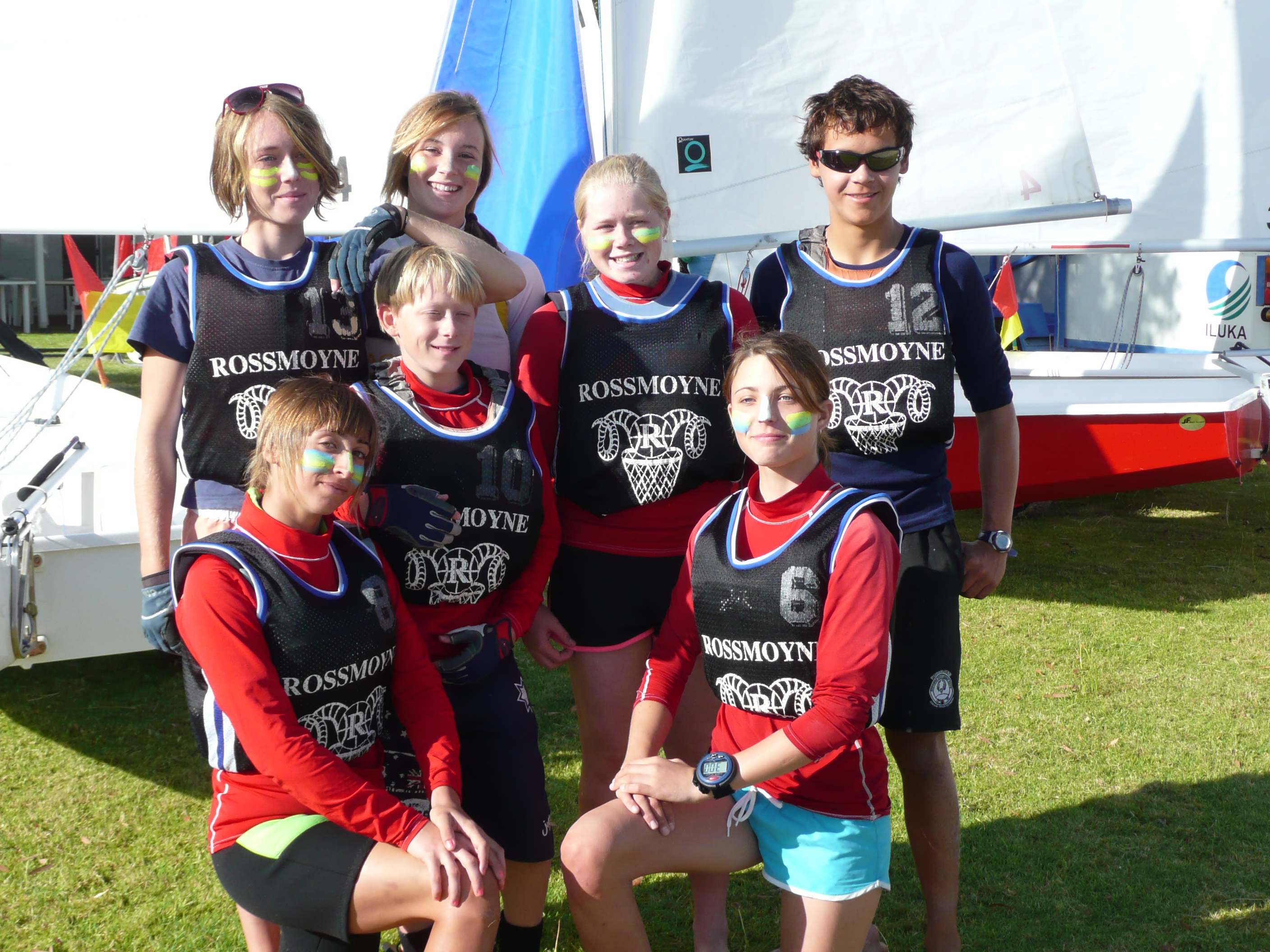
SLM coaches are accredited and then learn on the job. The coach in the each step of development becomes highly specialised at technically & resolves procedural issues. The coach learns from others in the coaching group & gets feedback from the next step coach relating to the preparation of sailors for graduation.
Bottlenecking can swell numbers in situations where sailors cannot be pushed and at the same time need to be encouraged to progress, hence coaching practice tends more toward enjoyment through achievement. More experienced coach will tend to use the broad based curriculum to engage sailors in problem solving and self reliance, they form a working group. That working group becomes increasingly sophisticated.
Coaching groups improve as the Program matures to become quite sophisticated. Much of SLM focus is with coach development, curriculum and process improvement. The program does not have a funded research capability and so coaches have a choice; isolate themselves or more commonly build it into the way they coach.
Coaches are finding that they can be a whole lot more effective with a small amount of curriculum and process improvement than hours and weeks and months on the water. Some of the complex concepts taught at State HP a few years ago are now started at the earliest opportunity, coaches feel good about that, sailors are thriving.
The broad based curriculum appeals to a broader constituent than a narrow technical focus. The curriculum broken into 5 pillars provides scope for the coaching group to broaden interest to grey less well developed concepts relating to the individual, tactics & strategy, the boat & control etc.
Coaches are interested in reorganising their class time to make improvements, putting time aside for personal development, as do teachers and professionals. Coaching groups do meet routinely to identify & resolve procedural & technical issues, undertake research. They do so as they did as sailors to make their lives more interesting and rewarding, an experience relevant and transferrable to life outside of sailing, a form of leadership development.
Much of this work is managed online to become unique fleet knowledge to the Club that lives on while people come and go. The knowledge contained within the boundaries of known performance and the ability to challenge and improve (knowledge potential) can be managed and improved. Simple improvements include curriculum development, early intervention, record management.
Some State High Performance programs are becoming actively engaged with larger more competent fleets in a collaborative trend to prepare elite sailors, creating a pathway for sailors to aspire.
 SLM Dinghy Program Development